Unlocking the Secrets of 10 Qiraat: A Comprehensive Guide to Understanding Qiraat in Islamic Learning
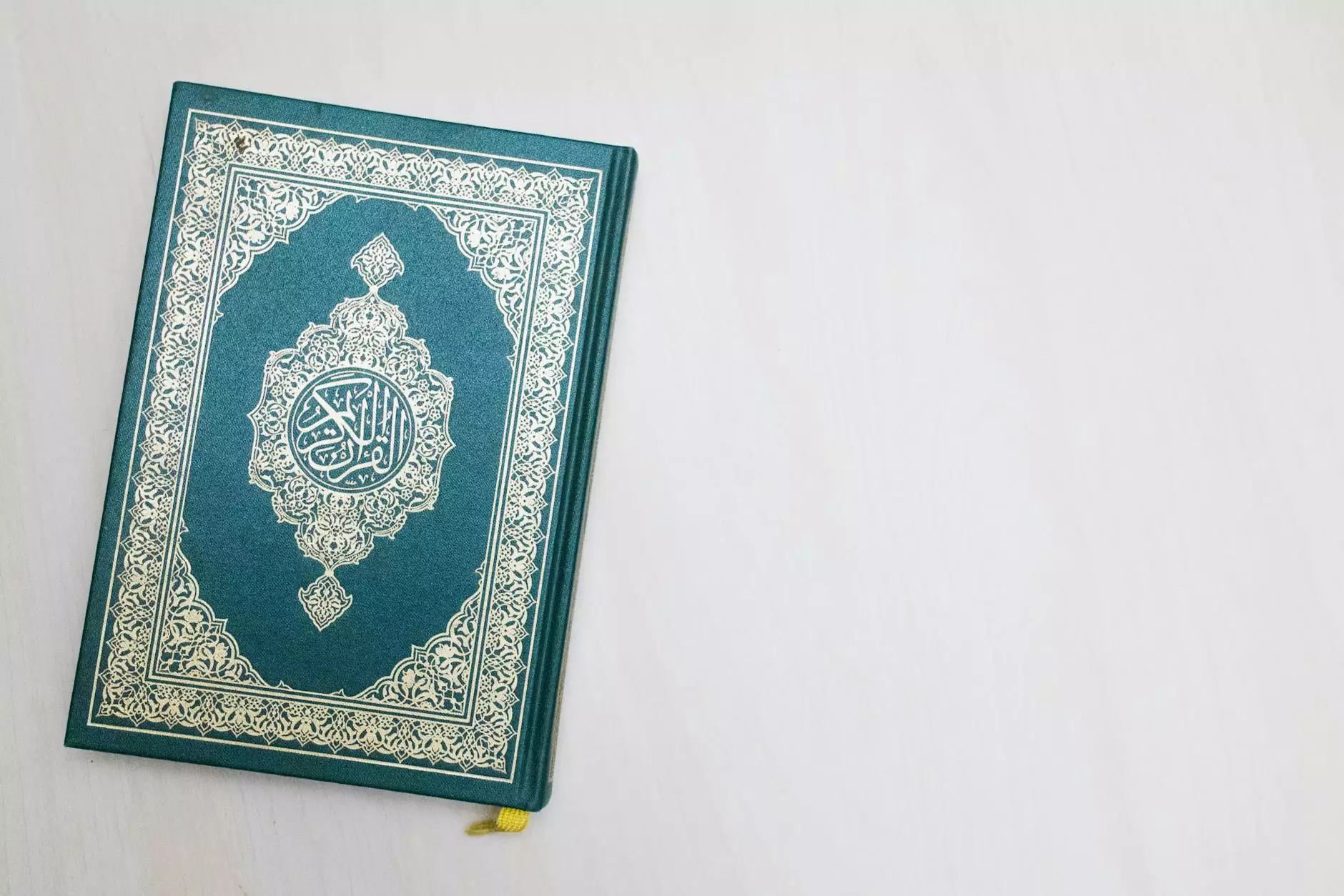
The study of qiraat holds a distinguished place in Islamic tradition, reflecting the richness and diversity of the way the Qur'an has been recited and transmitted over centuries. The term qiraat refers to the various canonical methods of reciting the Qur'an, each with unique pronunciations, rules, and stylistic nuances. Among these, the 10 qiraat are widely acknowledged as the most authentic and foundational for students, scholars, and practitioners committed to preserving the beauty and accuracy of the Qur'anic recitations.
Understanding the Concept of Qiraat in Islamic Context
Qiraat in Islam signifies not only the ways the Qur'an is recited but also embodies a science that encompasses the phonetic, grammatical, and phonological rules that govern correct pronunciation. It is a testament to the divine linguistic richness of the Qur'an, with each qiraat representing a transmission chain rooted in the prophetic tradition.
The 10 qiraat are considered the primary canonical recitation methods, and their mastery is regarded as a crucial part of Islamic education, especially within religious organizations, educational institutions, and dedicated tutoring centers. These qiraat enable Muslims worldwide to experience the Qur'an's divine message in all its linguistic diversity, reinforcing the universal and timeless nature of the holy text.
The Significance of 10 Qiraat in Islamic Education and Religious Practices
In the landscape of Islamic learning, particularly through platform like learnquran.online, the teaching of the 10 qiraat is pivotal. It fosters a deep appreciation for the linguistic, phonetic, and historical richness of the Qur'an, ensuring that Muslims can connect more profoundly with the divine words in their unique recitation style.
Why Are the 10 Qiraat Considered Crucial?
- Preservation of Divinity: They embody the direct recitations from the Prophet Muhammad (peace be upon him), transmitted through reliable chains of narration.
- Linguistic Diversity: They showcase the dialectical variations within the Arabic language, reflecting the Quran's universality across diverse Arab communities.
- Educational Enrichment: Mastering multiple qiraat increases one’s linguistic proficiency, understanding, and memorization capacity.
- Facilitation of Worship: Different qiraat allow Muslims to perform Salah (prayer) with varying recitation styles, enriching their spiritual experiences.
- Interfaith and Intercultural Dialogue: Recognizing these qiraat promotes respect, understanding, and appreciation among diverse Muslim communities worldwide.
Historical Evolution and Classification of the 10 Qiraat
The development of the 10 qiraat traces back to the early Islamic period, where scholars meticulously documented and authenticated various recitation styles. These styles originated from the ten renowned reciters, each linked to a direct chain of transmission back to the Prophet Muhammad (peace be upon him). They are classified into two major groups: the canonical qiraat and the minor variations, which complement each other to form a comprehensive tradition.
The Ten Canonical Qiraat
The canonical qiraat are each named after their primary reciters, such as:
- Nashat
- Abu 'Amr al-Basri
- Al-Kisai
- Hamzah
- Al-Duri
- Asim
- Hamzah al-Kufi
- Al-Susi
- Qalun
- Al-Ruwayyu
Each reciter's style reflects specific phonetic and grammatical nuances, making the study of these styles a comprehensive linguistic and spiritual journey.
Modern-Day Engagements with 10 Qiraat Through Educational Platforms
Educational platforms such as learnquran.online are transforming how students, teachers, and institutions approach the study of 10 qiraat. These platforms offer specialized courses aimed at students of all levels, fostering a deep understanding of these recitation methods through interactive learning and expert guidance.
Features of Modern Qiraat Education
- Structured Learning Modules: Covering the principles, rules, and variations of each qiraat.
- Experienced Tutors: Certified and knowledgeable teachers who have mastered the art of qiraat recitation.
- Interactive Sessions: Live classes, Quranic recitation practice, and feedback mechanisms.
- Multimedia Resources: Audio, video, and written materials to enhance comprehension and memorization.
- Flexible Scheduling: Allowing students worldwide to learn at their own pace and convenience.
Impacts of Teaching 10 Qiraat in Religious Organizations and Tutoring Centers
Religious organizations and tutoring centers play an instrumental role in preserving and transmitting the traditional methods of Qur'anic recitation. Their curricula often include dedicated modules on 10 qiraat, emphasizing:
- Authenticity: Ensuring that the recitations align with the established chains of narration.
- Practicing with Precision: Guiding students to pronounce each letter and word correctly according to the rules of Tajweed.
- Cultural Appreciation: Highlighting the historical and linguistic significance of different recitation styles.
- Community Building: Creating a shared space for learners to explore and appreciate the diverse ways of reciting Qur'an.
The Educational and Spiritual Benefits of Mastering 10 Qiraat
Engaging deeply with the 10 qiraat offers numerous advantages, enriching both the spiritual and academic facets of a Muslim's life:
- Enhanced Memorization: Diverse recitation styles aid in retention and recall of the Qur'an.
- Greater Linguistic Fluency: Exposure to varied pronunciations and grammatical structures improves Arabic language mastery.
- Deeper Connection: Understanding the subtle differences fosters a more profound relationship with the divine words.
- Respect for Diversity: Recognizing multiple valid recitation styles cultivates tolerance and appreciation within the Muslim community.
- Preparation for Ijazah (Certification): It enables students to attain authentic certification in qiraat recitation, which is highly regarded in Islamic scholarly circles.
Conclusion: Embracing the Light of 10 Qiraat in Contemporary Islamic Education
In the modern era, the preservation and dissemination of the 10 qiraat are more vital than ever. Through dedicated efforts by religious organizations, educational institutions, and innovative platforms like learnquran.online, learners worldwide are empowered to access authentic, comprehensive, and interactive learning experiences. Mastering these recitation methods not only honors the theological and linguistic heritage of Islam but also enriches the spiritual journey of every Muslim committed to understanding the divine message in its full linguistic diversity.
Whether you are a student seeking to deepen your knowledge, a teacher guiding others, or a community leader promoting the importance of Qur'anic sciences, embracing the principles of the 10 qiraat will forever be a rewarding pursuit. Join the global movement to preserve and propagate the timeless beauty of the Qur'an through the mastery of its various qiraat.