The Profound "Story Behind Shivling": Unveiling the Mystique and Significance
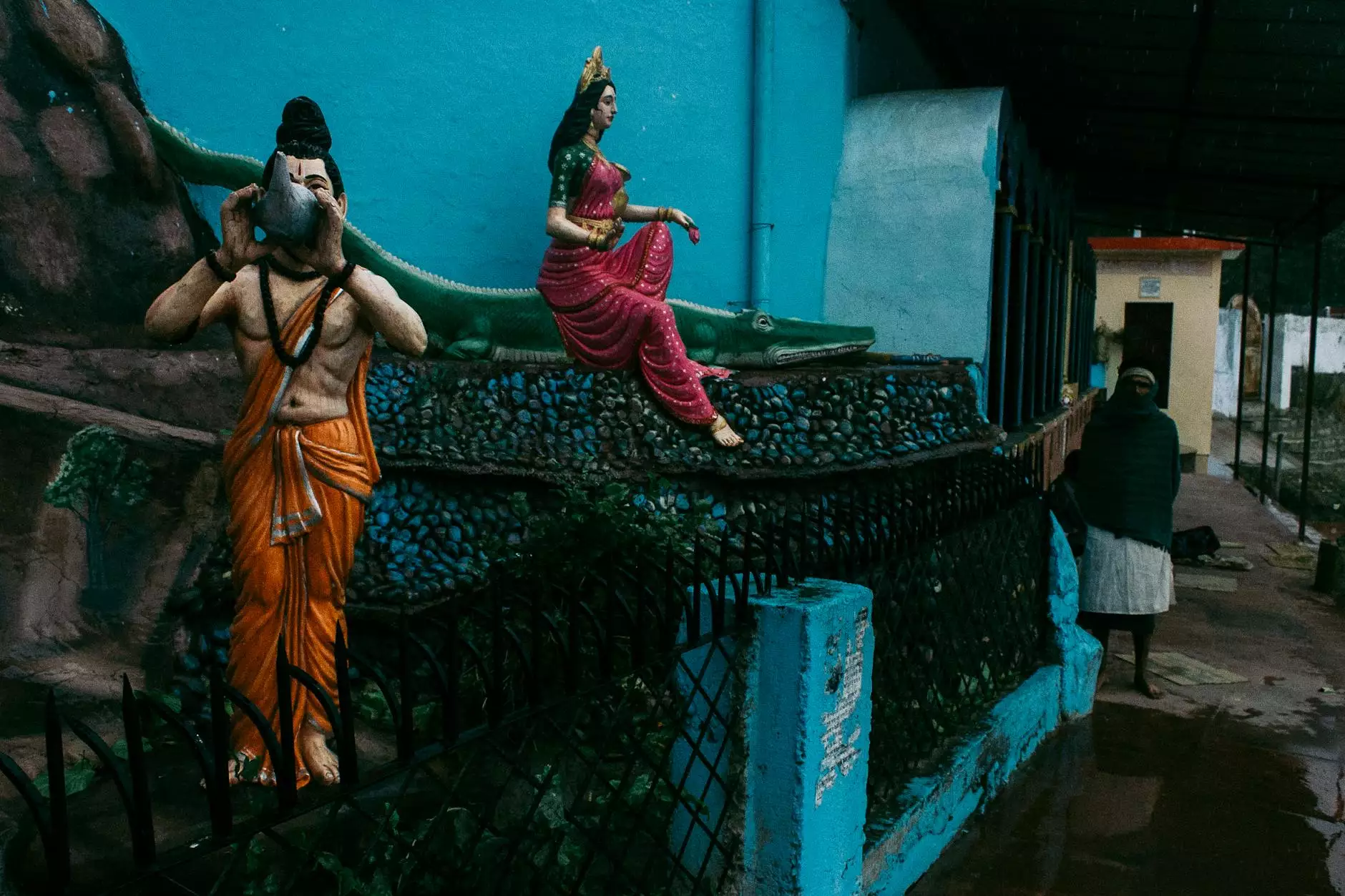
Across centuries, the Shivling has stood as an emblem of divine power, spiritual wisdom, and cultural heritage within Hinduism. Its mysterious form and profound symbolism have fascinated pilgrims, scholars, and spiritual seekers alike. The story behind shivling is a captivating journey through mythology, religious rituals, and ancient traditions that highlight its sacred significance and enduring allure. Understanding this story enhances our appreciation of why the Shivling remains one of the most revered symbols in the spiritual landscape of India and around the world.
Historical Origins of the Shivling: A Nexus of Mythology and Ancient Culture
The origins of the shivling are rooted deeply in Hindu mythology and ancient Indian history. Archaeological discoveries suggest that the worship of Shiva, the third deity of the Hindu Trimurti, predates written records, stretching back over 4,000 years. The earliest representations of Shiva often depict him as a Yogi or a ascetic, emphasizing meditation and spiritual discipline.
The shivling as an object of worship evolved as a symbolic representation of Shiva's divine energy and cosmic power. In ancient temples and sacred sites, the Shivling has been regarded as the lingam—a symbol of the unmanifested divine, embodying the formless aspect of God.
The Mythological Story Behind Shivling: Legends and Symbolism
The story behind shivling is intertwined with numerous mythological tales that explain its significance and origins. Among these, the most famous legends include:
- Descent of Shiva's Energy: According to myth, Shiva's infinite energy manifested as a lingam in the physical realm, serving as a bridge between the divine and mortals.
- The Churning of the Ocean (Samudra Manthan): During this cosmic event, a lingam emerged from the ocean, symbolizing divine auspiciousness and the creation of the universe.
- Shiva's Penance and Worship: The story of a devotee’s intense penance which led Shiva to appear as a lingam to bless and protect devotees.
- Archana of the Lingam: A tale describing how the divine energy of Shiva is eternally present in the form of an ever-persistent lingam, symbolizing eternity and consciousness.
These stories accentuate the belief that the shivling embodies Shiva’s omnipresence, his infinite cosmic power, and the divine principle of creation, preservation, and destruction.
The Different Types of Shivling and Their Significance
In the spiritual shop of Om Pooja Shop, you can find various shivling styles, crafted from different materials, each carrying its own unique symbolism and spiritual benefits:
- Stone Shivling: Often made from sacred stones like Shivlinga stone, Bel stone, or black granite, representing raw divine energy and stability.
- Metal Shivling: Crafted from metals like brass, copper, or bronze, symbolizing durability, prosperity, and spiritual prowess.
- Crystal Shivling: Known for its purity and clarity, believed to activate higher consciousness and spiritual awakening.
- Home-made or Mini Shivling: Small-sized lingams used for personal worship and meditation, bringing divine energy into the home environment.
Each type of Shivling is associated with specific benefits, such as prosperity, protection, spiritual growth, and peace of mind, making it essential to choose the right one aligned with your spiritual intent.
The Significance of the Shivling in Hindu Worship and Culture
The shiva lingam holds profound importance in Hindu rituals. It is considered the symbol of the infinite and formless divine that has been permanently manifested in a tangible form for worship and connection. The key aspects of its significance include:
- Symbol of the Universe: The lingam signifies the cosmic pillar of fire and energy, representing the infinite universe and the unmanifested divine.
- Focus of Worship: Temples like Kashi Vishwanath and Somnath feature grand lingams, where devotees perform rituals, offering water, flowers, and prayers to seek blessings.
- Spiritual Connection: Worship of the Shivling is believed to promote spiritual awakening, eliminate negative energies, and cultivate divine virtues.
- Philosophical Meaning: It embodies the principle that ultimate reality transcends form and manifestation, emphasizing the formless aspect of Shiva.
In daily life, worship of the shiva lingam symbolizes humility, devotion, and surrender to divine will. It fosters inner peace and harmony, inspiring spiritual evolution.
The Rituals and Worship Practices of the Shivling
Devotees follow specific rituals when worshipping the Shivling to invoke divine blessings and foster spiritual growth:
- Abhishekam: Ritual bathing of the lingam using water, milk, honey, and sacred herbs, symbolizing purification and offering of purity.
- Alankaram: Decoration of the lingam with flowers, sandalwood paste, and sacred ash, enhancing its divine presence.
- Bilva Patra Offering: Offering leaves of the Bilva tree, which are especially sacred to Shiva, representing his threefold nature.
- Recitation of Mantras: Chanting mantras like "Om Namah Shivaya" to invoke Shiva’s divine energy and attain spiritual serenity.
These practices amplify spiritual energies and deepen the devotee’s connection with the divine, making the worship experience profoundly transformative.
Modern Relevance of the Story Behind Shivling and Its Cultural Impact
Today, the story behind shivling continues to inspire millions worldwide, transcending generations and geographical boundaries. It encourages seekers to reflect on the divine's omnipresence and the importance of devotion in everyday life.
In our increasingly materialistic world, the Shivling remains a symbol of inner stability and spiritual strength. It is also a focal point in various spiritual practices such as meditation, yoga, and personal prayer. The ritual of worshipping the Shivling provides a sense of purpose, connection, and tranquility amidst chaos.
The integration of the Shivling's symbolism into contemporary jewelry and spiritual artifacts—available on Om Pooja Shop—helps keep the sacred legacy alive in modern lifestyles. Whether as a pendant, a miniature lingam for home altar, or a decorative piece, it reminds us of the divine power that sustains the universe and resides within us all.
Why the Story Behind Shivling Continues to Fascinate and Inspire
The story behind shivling embodies timeless themes of creation, destruction, and spiritual awakening. Its enduring appeal lies in its ability to symbolize the unmanifested divine, a concept that resonates deeply with spiritual aspirants worldwide. As a tangible representation of formless consciousness, the Shivling serves as a bridge to higher realms of existence.
Moreover, the story invites us to recognize our inner divine potential, emphasizing that spirituality isn’t confined to rituals but resides within each individual. The Shivling’s symbolism inspires us to connect with the infinite, foster harmony, and pursue spiritual enlightenment in our daily lives.
Conclusion: Embracing the Sacred Story Behind Shivling
The story behind shivling is much more than myth; it is a profound spiritual narrative that encapsulates the essence of divine reality. It exemplifies the unity of form and formlessness, matter and spirit, embodied in a simple yet powerful symbol that has stood the test of time.
Whether you are a devotee, a spiritual seeker, or a cultural enthusiast, understanding the significance of the Shivling enriches your appreciation of Hindu spirituality and the universal principles it conveys. Embrace the sacred story, incorporate it into your spiritual practices, and experience the divine presence that the Shivling perpetually symbolizes.
Visit Om Pooja Shop today to explore a diverse range of authentic shiva lingams, spiritual accessories, and jewelry that embody this timeless tradition and help you deepen your spiritual journey.