Comprehensive Guide to Cleaning and Disinfection of Endoscopes: Ensuring Clinical Excellence and Patient Safety
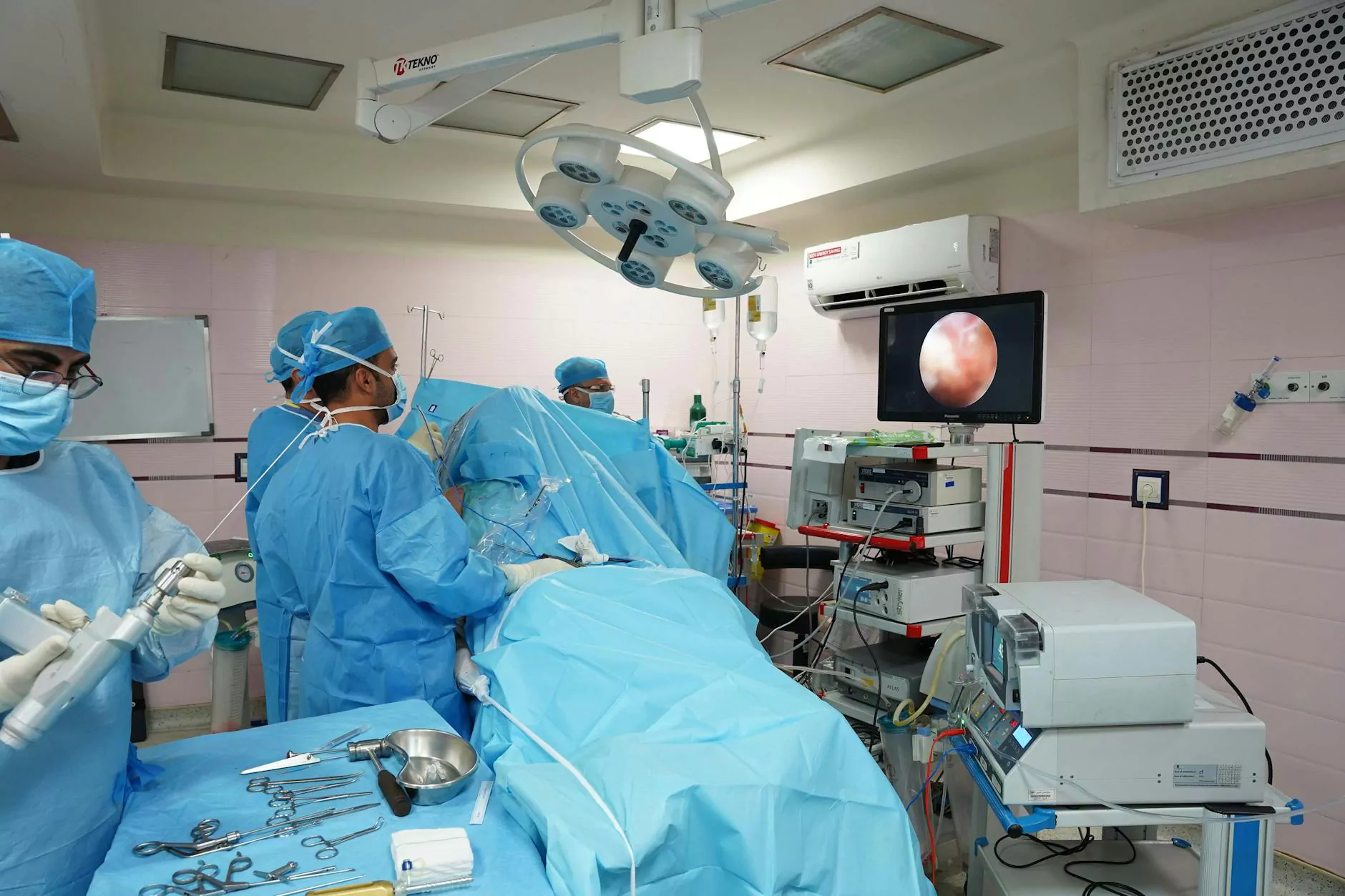
In the fiercely competitive world of Health & Medical services, the importance of maintaining impeccable standards of Medical Supplies, especially endoscopes, cannot be overstated. Proper cleaning and disinfection of endoscopes is vital not only for ensuring effective diagnostic and therapeutic procedures but also for safeguarding patients against healthcare-associated infections (HAIs). This extensive guide aims to provide healthcare professionals, medical technicians, and facility managers with a detailed understanding of best practices, technological innovations, and regulatory requirements involved in the meticulous cleaning and disinfection of endoscopes.
Understanding the Critical Role of Endoscope Hygiene in Healthcare
Endoscopes are invaluable diagnostic and therapeutic tools that require meticulous handling and maintenance. Due to their complex design featuring channels, valves, and intricate components, they are prone to harboring microbial contaminants if not properly cleaned and disinfected. These contaminants can lead to severe infections, including bacteremia, endocarditis, and other healthcare-associated infections, ultimately risking patient safety and increasing healthcare costs.
Hence, the cleaning and disinfection of endoscopes are cornerstones of infection control protocols in healthcare settings. Proper procedures ensure the elimination of organic debris, biofilms, and pathogenic microorganisms, maintaining the highest standards of safety and functionality.
The Importance of Rigorous Protocols in Endoscope Reprocessing
Effective endoscope reprocessing involves several critical steps, each designed to eradicate microbial contaminants comprehensively:
- Pre-Cleaning: Immediate removal of gross contaminants during the procedure to prevent drying of biological material.
- Leak Testing: Ensuring the integrity of the scope to prevent fluid ingress and damage during cleaning.
- Manual Cleaning: Thorough brushing and flushing of channels to dislodge biofilms and debris.
- High-Level Disinfection: Using chemical disinfectants that eliminate all microorganisms except spores.
- Rinsing and Drying: Removing residual disinfectants and moisture to prevent microbial growth and corrosion.
- Care and Storage: Appropriate storage in dry, ventilated environments to preserve scope integrity.
Innovative Techniques and Technologies for Cleaning and Disinfection of Endoscopes
In recent years, technological advancements have significantly improved the efficiency, safety, and reliability of endoscope cleaning procedures. These include:
Automated Endoscope Reprocessors (AERs)
Automated endoscope reprocessors have revolutionized traditional manual cleaning by providing standardized, validated cleaning cycles. They feature sophisticated mechanisms for cleaning, disinfection, and rinsing, reducing human error and ensuring consistent results. Facilities that invest in AERs benefit from faster turnaround times, enhanced safety, and compliance with international standards.
Ultrasound-Assisted Cleaning Systems
Ultrasound technology enhances the dislodging of debris and biofilms from complex endoscope channels. These systems use high-frequency sound waves to reach inaccessible areas, ensuring thorough cleaning and minimizing the risk of residual contamination.
Single-Use Disinfection Consumables
Infection control protocols increasingly favor single-use cleaning brushes, caps, and disinfectant wipes. These eliminate cross-contamination risks associated with reusable items, promoting a safer reprocessing environment.
Advanced Disinfection Substances
Meticulous selection of disinfectants is essential. Modern disinfectants like peracetic acid-based solutions and high-performance glutaraldehyde variants provide broad-spectrum efficacy, rapid action, and minimal material compatibility issues. The integration of enzymatic cleaning agents also improves organic load removal, facilitating effective disinfection.
Regulatory Standards and Industry Best Practices
Alignment with global standards such as those from the Centers for Disease Control and Prevention (CDC), European Society of Gastroenterology (ESGE), and American National Standards Institute (ANSI) ensures compliance and safety. The key regulatory documents emphasize:
- Rigorous validation and routine maintenance of cleaning equipment
- Training and competency evaluation of staff involved in reprocessing
- Accurate recording and documentation of each reprocessing cycle
- Regular audits and quality assurance measures
Adhering to these protocols not only prevents healthcare-associated infections but also supports accreditation and reimbursement efforts that are increasingly tied to quality metrics.
Implementing an Effective Endoscope Reprocessing Workflow
A comprehensive workflow involves:
- Immediate Pre-Cleaning: During the procedure, wipe and flush the scope to prevent biological material from drying and hardening.
- Transport and Leak Testing: Carefully transport the scope to the reprocessing area, conducting leak tests to identify damage.
- Manual Cleaning: Use the appropriate brushes, detergents, and enzymatic agents to scrub all channels and external surfaces.
- High-Level Disinfection or Sterilization: Employ validated AER cycles or chemical sterilants as per manufacturer instructions.
- Final Rinsing and Drying: Use filtered water and dry the scope thoroughly to prevent residual bioburden and biofilm formation.
- Proper Storage: Store the cleaned scope in a clean, ventilated environment, suspended vertically to avoid recontamination.
Consistent adherence to these steps ensures safety, prolongs the equipment's lifespan, and maintains high standards of patient care.
Monitoring and Quality Assurance in Endoscope Reprocessing
Quality assurance is essential for verifying the effectiveness of reprocessing routines. This involves:
- Routine microbiological testing of scopes and disinfection baths
- Visual inspections for damage or residual contamination
- Validation of cleaning and disinfection processes through chemical and biological indicators
- Staff training and competency assessments
- Regular audits and continuous improvement protocols
Implementing a robust monitoring system reduces the risk of infection transmission and ensures alignment with regulatory standards.
The Business Perspective: Investing in Quality for Competitive Advantage
For healthcare providers, investing in high-quality cleaning and disinfection solutions directly correlates with improved patient outcomes, operational efficiency, and regulatory compliance. Partnering with trusted suppliers such as Medalkan ensures access to cutting-edge medical supplies and equipment tailored to meet the rigorous demands of endoscope reprocessing. Moreover, demonstrating commitment to safety fosters patient trust and enhances the facility's reputation in the healthcare market.
Why Choose Medalkan for Your Medical Supplies and Endoscope Disinfection Needs
Medalkan specializes in providing innovative, reliable, and compliant medical supplies that support healthcare facilities worldwide. Our extensive product portfolio includes:
- Automated endoscope reprocessors
- High-quality disinfection solutions
- Specialized cleaning brushes and accessories
- Leak testing devices
- Storage Cabinets and Drying Equipment
Partnering with Medalkan means access to expert guidance, comprehensive training, and ongoing technical support to ensure your facility maintains the highest standards in cleaning and disinfection of endoscopes. We are committed to advancing healthcare safety and operational excellence through innovation and quality.
Conclusion: Elevating Healthcare Safety through Expert Endoscope Reprocessing
The meticulous cleaning and disinfection of endoscopes are fundamental to delivering safe, effective, and efficient patient care in today’s healthcare environment. With the evolution of technology, strict adherence to regulatory standards, and strategic investment in quality supplies, healthcare providers can minimize infection risks, extend equipment lifespan, and enhance overall clinical outcomes.
By choosing trusted partners like Medalkan, healthcare facilities ensure they are equipped with the best tools, knowledge, and support to uphold the highest standards of hygiene and safety in endoscope reprocessing. In a world where patient safety and clinical excellence are paramount, excellence in reprocessing is not optional—it is essential.