The Definitive Guide to A Hysteroscopy: Transforming Gynecological Care and Women's Health
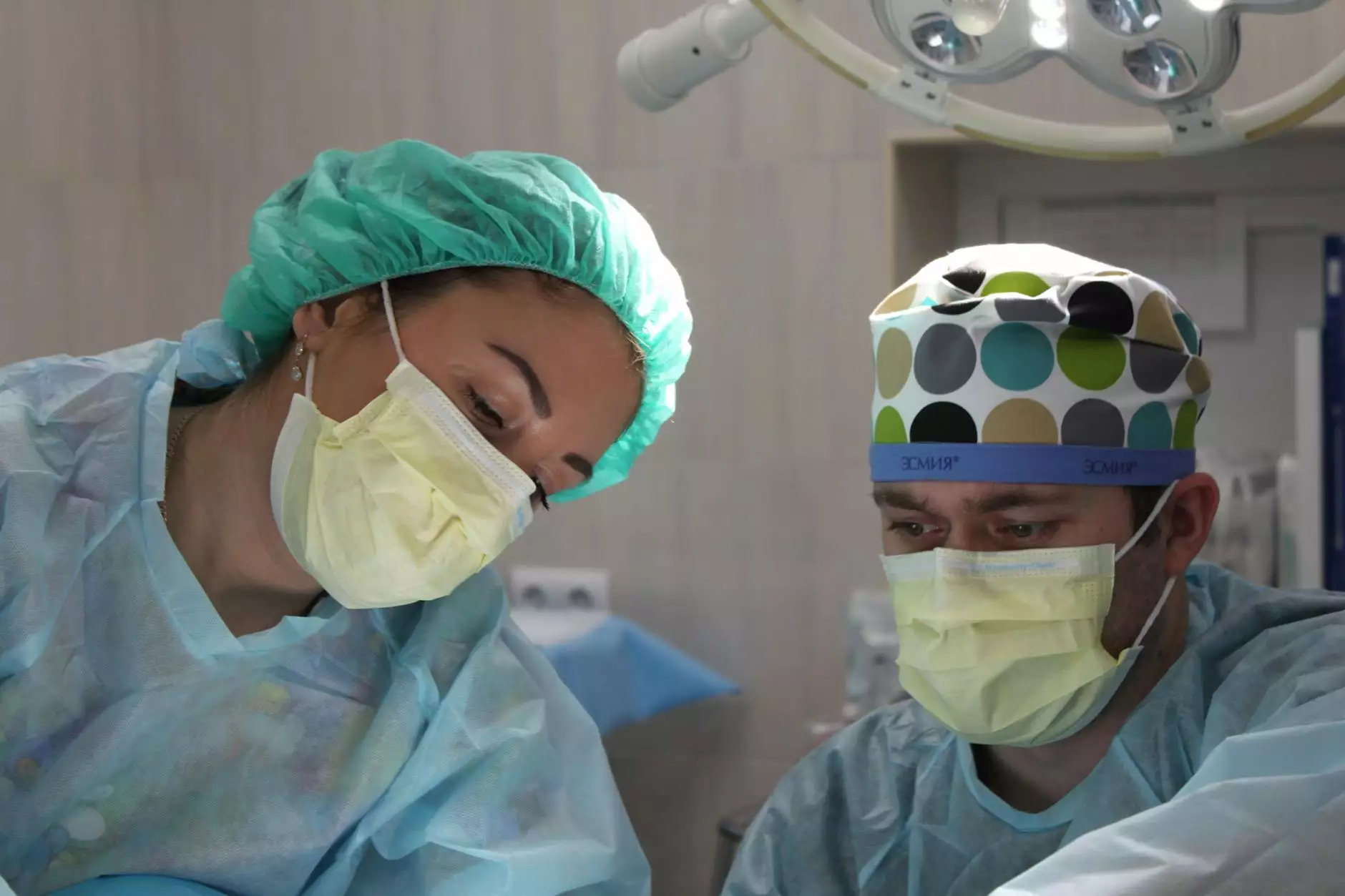
In the realm of modern gynecology, a hysteroscopy stands out as a groundbreaking procedure that has revolutionized the diagnosis and treatment of uterine conditions. This minimally invasive diagnostic tool not only enhances patient comfort but also provides unparalleled accuracy, empowering obstetricians and gynecologists to deliver optimal care. As women increasingly seek personalized, effective, and less invasive options for their reproductive health, understanding a hysteroscopy becomes essential. Led by innovative medical leaders like Dr. Seckin, the field continues to evolve, offering hope and solutions for countless women worldwide.
Understanding A Hysteroscopy: What Is It and Why Is It Important?
A hysteroscopy is a specialized procedure that allows healthcare professionals to directly visualize the inside of a woman’s uterine cavity. Using a thin, lighted device called a hysteroscope, clinicians can accurately diagnose various uterine abnormalities, including polyps, fibroids, adhesions, septa, and congenital anomalies. The procedure can also serve as an effective therapeutic method, enabling removal or correction of identified issues during the same session.
In a landscape where women's health issues are often underdiagnosed or misdiagnosed, a hysteroscopy offers a precise, less invasive alternative to traditional diagnostic methods like blind dilation and curettage (D&C) or exploratory surgery. Its significance extends to fertility evaluations, abnormal uterine bleeding investigations, and management of recurrent pregnancy loss, making it a cornerstone in advanced gynecological practice.
Historical Evolution and Technological Advances in Hysteroscopy
The technique of hysteroscopy has significantly evolved since its inception in the 19th century. Early attempts were invasive and limited by scope size and visualization capabilities. However, technological breakthroughs in optics, fiber optics, and miniaturization have transformed it into a safe, effective outpatient procedure.
- Modern hysteroscopes are now slender, flexible, and equipped with high-definition cameras, providing clear, real-time images.
- Advances in distension media improve patient comfort and visualization comfort, while reducing risks of complications.
- Magnetic resonance imaging (MRI) and 3D imaging further complement hysteroscopic findings, enhancing diagnostic accuracy.
These innovations have substantially reduced procedure-related complications, enabled outpatient settings, and expanded the range of treatable conditions.
Indications for A Hysteroscopy: Why Is This Procedure Recommended?
A hysteroscopy is indicated for a broad spectrum of gynecological issues, including:
- Abnormal uterine bleeding of unclear origin, especially in premenopausal or postmenopausal women.
- Evaluation of infertility and recurrent miscarriage where structural uterine abnormalities are suspected.
- Detection and removal of intrauterine polyps, fibroids, or septa that interfere with implantation or cause bleeding.
- Assessment of intrauterine adhesions (Asherman’s syndrome) that may impair fertility or menstrual flow.
- Investigation of congenital uterine anomalies detected during imaging studies.
- Management of retained gestational products following miscarriage or abortion.
By accurately diagnosing these conditions, a hysteroscopy guides effective treatment plans, often within a single outpatient session.
The Procedure: What to Expect During a Hysteroscopy
Pre-Procedure Preparation
Patients are typically advised to avoid certain medications, such as blood thinners, and to arrange transportation home afterward due to potential mild sedation. A preoperative assessment ensures the patient’s suitability, including an evaluation of uterine size, shape, and overall health.
The Step-by-Step Process
- Anesthesia: Usually, local anesthesia or IV sedation is administered to minimize discomfort. In some cases, general anesthesia may be used.
- Insertion of the Hysteroscope: The healthcare provider introduces the hysteroscope through the cervix into the uterine cavity.
- Distension Media: Carbon dioxide gas or saline solution is gently infused to expand the uterine cavity, enhancing visualization.
- Examination and Treatment: The doctor examines the uterine walls and cavity, identifying any abnormalities. Therapeutic interventions, such as polyp removal or septum resection, can be performed simultaneously.
- Completion and Recovery: The procedure typically lasts 10–30 minutes, with rapid recovery. Patients can usually return home the same day.
Post-Procedure Care
Patients may experience mild cramping or light bleeding. It is recommended to rest and avoid strenuous activities for 24 hours. Follow-up appointments ensure proper healing and assessment of treatment results.
Benefits of A Hysteroscopy: Why It Is a Game-Changer in Gynecology
A hysteroscopy offers numerous advantages over traditional diagnostic and surgical approaches, including:
- Minimally invasive: No large incisions or abdominal wounds, resulting in less pain and scarring.
- High diagnostic accuracy: Direct visualization yields precise identification of intrauterine pathology.
- Simultaneous treatment: Enables diagnosis and management in a single session, reducing the need for multiple procedures.
- Outpatient setting: Usually performed in a clinic or office, avoiding hospitalization.
- Faster recovery: Patients often resume normal activities within 24-48 hours.
- Reduced risk: Lower complication rates compared to traditional surgeries.
This procedure represents a paradigm shift toward patient-centered, efficient, and precise gynecologic care.
Risks and Limitations of a Hysteroscopy: What Patients Need to Know
While a hysteroscopy is generally safe, awareness of potential risks is essential:
- Infection
- Bleeding or spotting
- Uterine perforation (rare)
- Fluid overload or imbalance (if distension media is poorly managed)
- Transient cramping or discomfort
Consulting experienced specialists like Dr. Seckin ensures procedures are performed with utmost care, minimizing risks and maximizing outcomes.
The Role of an Expert Gynecologist: Why Choose Leadership Like Dr. Seckin?
Leading gynecologists and specialists, including Dr. Seckin, offer unparalleled expertise in a hysteroscopy by combining advanced technological skills with compassionate patient care. Their focus on personalized treatment plans, state-of-the-art facilities, and continuous research ensures that women receive optimal treatment tailored to their unique needs.
The Future of Gynecological Diagnostics and Treatment
The field of hysteroscopy continues to progress with innovations like 3D imaging, robotic assistance, and integration with other minimally invasive approaches such as laparoscopy. These advancements promise even greater accuracy, safety, and therapeutic capabilities, making gynecology more accessible and effective for women worldwide.
The emphasis remains on patient empowerment, early diagnosis, and minimally invasive intervention—cornerstones that will propel gynecology into a new era of excellence.
Conclusion: Embracing a New Standard in Women's Reproductive Healthcare
In summary, a hysteroscopy represents a vital tool in the modern gynecologist’s arsenal, offering precise diagnosis, effective treatment, and improved patient experience. Its role in managing complex uterine conditions and enhancing fertility outcomes underscores its importance in women’s health.
When considering this procedure, choosing an experienced, innovative specialist like Dr. Seckin ensures that you benefit from leading-edge techniques, compassionate care, and optimal results. Stay informed, consult with experts, and take proactive steps toward maintaining your reproductive health—because every woman deserves the highest standard of care.


