Exploring the World of Famous Artists Installation Art
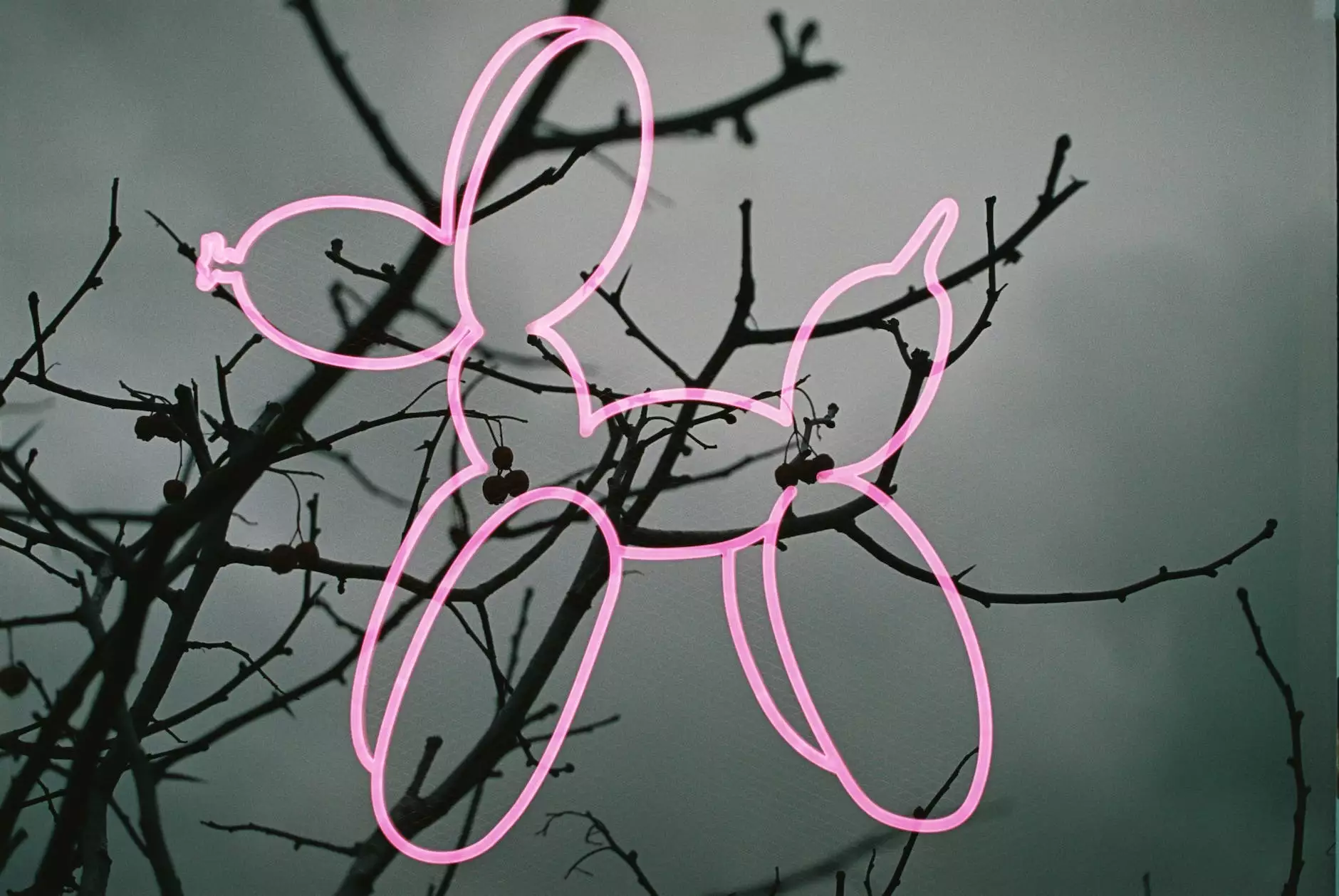
Installation art has become a pivotal form of expression in the contemporary art world, enabling artists to create immersive environments that engage audiences on multiple levels. This unique art form challenges traditional norms and harnesses various materials, technologies, and concepts to communicate its message. In this article, we will explore various aspects of famous artists installation art, highlighting key figures, influential pieces, and the impact of these installations on the art community and society as a whole.
What is Installation Art?
Installation art typically exists in three-dimensional space and invites interaction from its viewers. Unlike traditional artworks such as paintings or sculptures, which can be appreciated from a distance, installation art often envelops the audience, making them participants rather than mere spectators.
Defined by its transient nature, installation art can be temporary or permanent. It may encompass various elements, including but not limited to:
- Video and Audio: Some installations use multimedia elements to enhance the experience.
- Light and Space: Manipulating light can drastically alter the perception of the space and the artwork.
- Interactivity: Many installations require audience participation, breaking the fourth wall and fostering a dialogue between the artist and viewers.
Historical Context of Installation Art
Installation art began to emerge in the 1960s and 1970s, challenging the conventions of individual artworks displayed in galleries. Influenced by movements such as Minimalism and Conceptual Art, artists began utilizing spaces in innovative ways. Foregrounding the site-specific nature of installation art, creators aimed to make art a part of the environment rather than a separate entity displayed in a vacuum.
Prominent Figures in Installation Art
Over the years, many artists have made significant contributions to the realm of installation art. Here are a few renowned figures whose works exemplify the diversity and depth of this medium:
1. Yayoi Kusama
Japanese artist Yayoi Kusama is known for her immersive installations that reflect her unique vision of infinity. Her use of polka dots and mirrors creates multi-dimensional experiences that captivate audiences. One of her most notable installations, "Infinity Mirrored Room," invites viewers into a seemingly endless space of reflections.
2. Olafur Eliasson
Denmark-based artist Olafur Eliasson integrates natural phenomena into his installations, prompting viewers to contemplate their relationship with the environment. His acclaimed work "The Weather Project," displayed in the Tate Modern, simulated the sun using mist and light, creating a surreal yet relatable atmosphere.
3. Christo and Jeanne-Claude
The collaborative duo Christo and Jeanne-Claude is celebrated for their large-scale environmental works, such as "The Gates" in Central Park. Their projects often challenge perceptions of public space and provoke discussions about the temporary nature of art and human intervention in nature.
Notable Works and Their Impact
The domain of famous artists installation art encompasses a myriad of works that have left an indelible mark on art history. Below are some emblematic pieces that have garnered significant attention and discussion:
"The Dinner Party" by Judy Chicago
Judy Chicago's "The Dinner Party" is a monumental installation that celebrates women's history. Featuring a triangular table set with 39 place settings, each representing a notable woman from history, this installation critically examines the omission of women's contributions in art and history.
"The Obliteration Room" by Yayoi Kusama
Another striking work by Yayoi Kusama, "The Obliteration Room," begins as a pristine white room. As visitors enter, they are given colorful dot stickers to place anywhere they desire, transforming the space into a vibrant explosion of color and creativity. This interactive experience emphasizes the importance of participation in the art-making process.
"The Clock" by Christian Marclay
Christian Marclay’s "The Clock" is a 24-hour video montage that plays clips from films synchronized to real time, creating a compelling narrative that examines the passage of time and our relationship with it. This installation combines cinematic history with a profound commentary on time itself.
The Importance of Installation Art Today
In our contemporary society, installation art continues to engage, challenge, and provoke thought among its viewers. The democratization of art and technology is allowing more artists to express themselves and reach broader audiences. Here’s why installation art remains vital:
- Accessibility: Installation art can often be found in public spaces, making art accessible to everyone, regardless of socioeconomic status.
- Community Engagement: Many installations invite community participation, fostering connections between individuals through shared experiences.
- Social Commentary: Artists use installations to address pressing social issues, encouraging critical thinking and dialogue among viewers.
The Future of Installation Art
As we look ahead, the landscape of installation art is likely to evolve further. The incorporation of digital technologies, augmented reality (AR), and virtual reality (VR) is already beginning to reshape how artists create experiences. Future installation artists may harness these tools to create even more immersive and interactive environments.
The blending of the virtual and physical worlds suggests a dynamic future where the boundaries of installation art could stretch even further. Artists will continually find innovative ways to engage audiences, making art not just a visual experience but a deeply emotional and sensory one.
How to Experience Installation Art
For those interested in exploring famous artists installation art, here are some practical tips:
- Visit Art Galleries and Museums: Many galleries regularly feature installation art exhibitions. Keeping an eye on local art institutions will lead you to exciting shows.
- Engage with Art Events: Art fairs and festivals often showcase installation works, providing opportunities to experience a wide range of artistic expressions.
- Participate in Interactive Exhibits: Many installation art projects encourage viewer participation. Embrace the opportunity to engage with the work and make your mark.
Conclusion
In conclusion, the world of famous artists installation art offers a rich tapestry of creativity that continues to evolve and challenge our understanding of art. By inviting viewers to immerse themselves in unique experiences, installation artists push the boundaries of traditional art forms, encouraging conversations about culture, society, and the human experience. As we advance into the future, installation art will likely remain at the forefront of artistic innovation, inviting new generations to explore, engage, and express themselves. Whether you are a seasoned art lover or a curious newcomer, the journey into installation art holds endless possibilities.